
A Seafront Stroll Through History
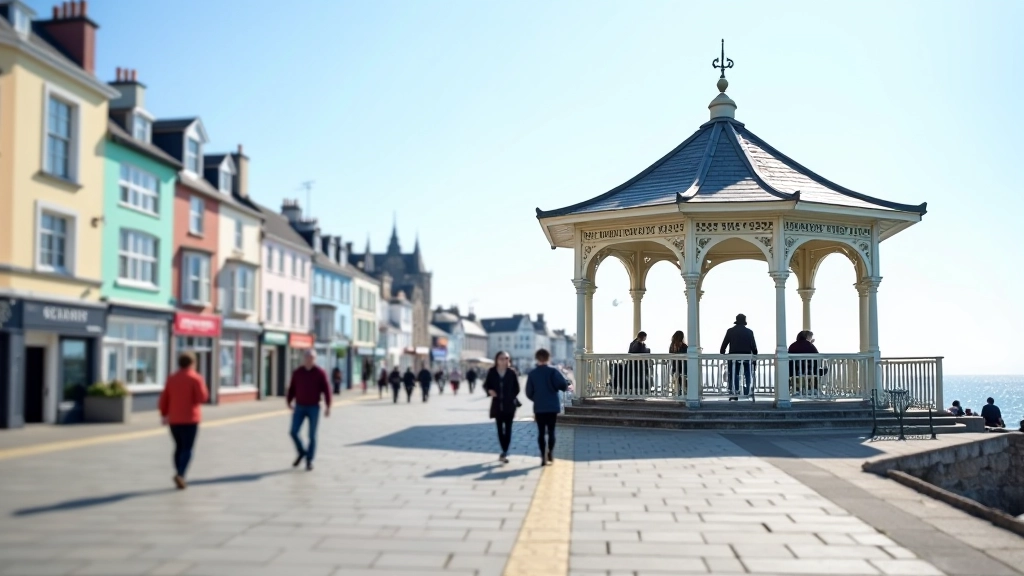
Bray's promenade isn't just a place to walk—it's a journey through Ireland's Victorian seaside heritage. The restored pathway stretches along the coast with the iconic bandstand as its crown jewel. You'll find yourself walking past beautifully maintained Victorian buildings, pausing at designated rest areas, and taking in views that haven't changed much since the 1800s.
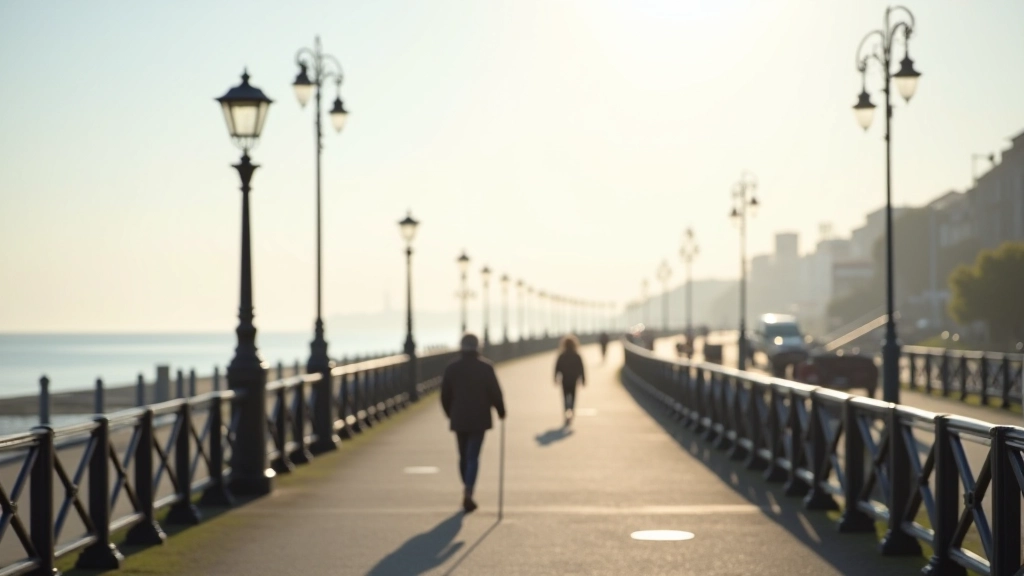
We're talking about a genuinely accessible walk. Most of the promenade is flat, well-maintained, and designed with plenty of stopping points. It's the kind of place where you can set your own pace—whether that's a gentle 45-minute stroll or a leisurely half-day exploration.
The Bandstand: Heart of the Promenade
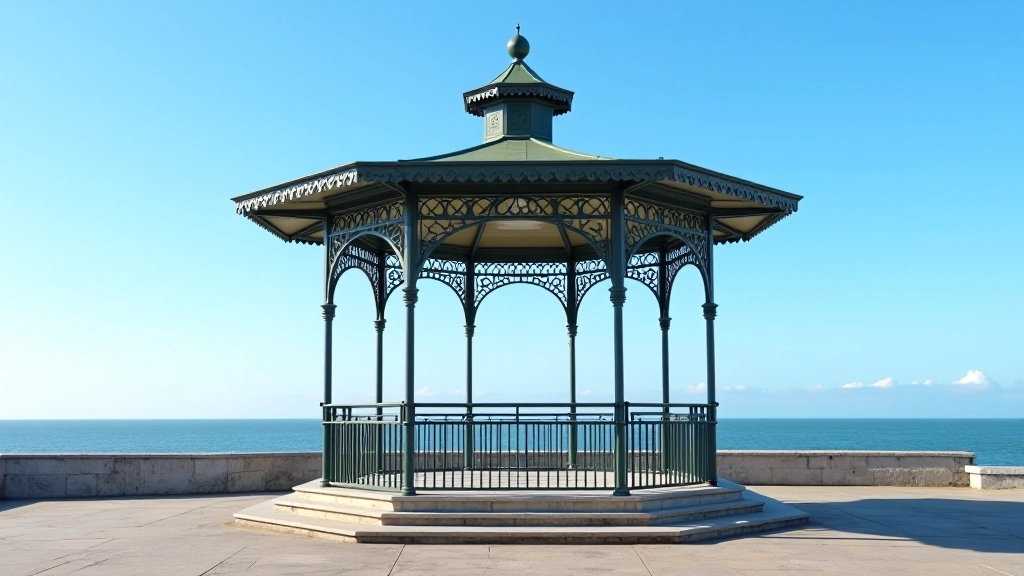
The bandstand is the unmissable centrepiece. Built during the Victorian era, it's been restored to its former elegance with ornate ironwork and a distinctive cupola. You'll notice the craftsmanship immediately—the decorative railings, the detailed brackets, the whole structure speaks to the craftsmanship standards of that period.
It's not just decorative either. During summer months, you'll find occasional performances and gatherings here. But even on quieter days, it's the perfect spot to sit and absorb the atmosphere. The seating areas around it face the sea, so you're getting a genuine seaside experience.
What makes it special for casual walkers? There's no pressure. You can spend 5 minutes admiring the architecture or 30 minutes sitting on one of the benches. That flexibility is exactly what makes this walk work for different abilities and paces.
Key Features You'll Encounter
Designated Rest Areas
Benches positioned every 200-300 metres along the route. Sheltered seating available if weather turns.
Historic Buildings
Original Victorian villas and hotels line the promenade. Many now converted to residential or business use, but the architecture remains stunning.
Seafront Access
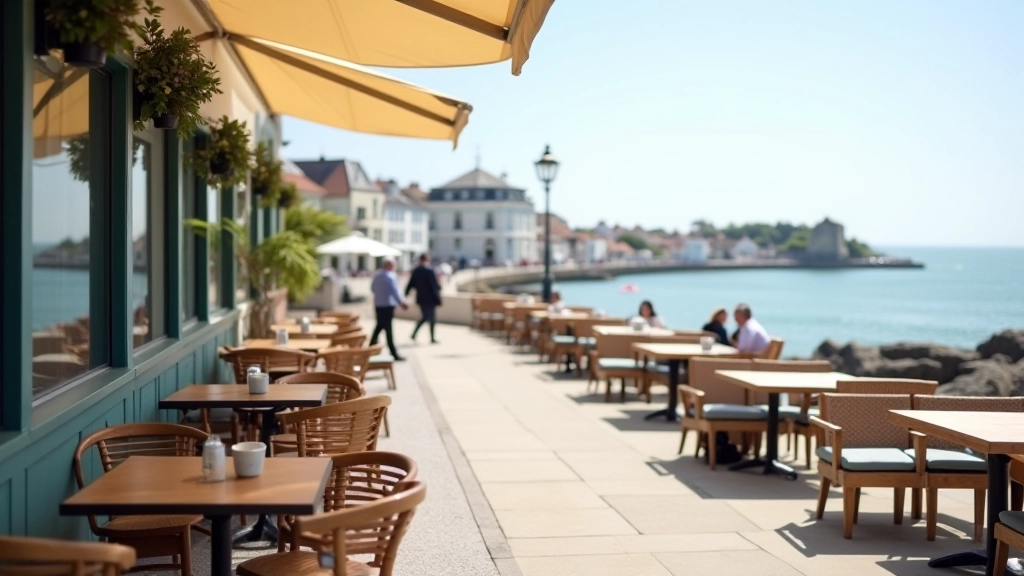
Clear views of the Irish Sea throughout. Beach access points at either end of the main promenade section.
Interpretation Panels
Information boards along the route explain the history and architecture. You'll learn about the promenade's development without needing to research beforehand.
What to Expect on Your Walk
The main promenade walk takes about 1.5 to 2 hours if you're moving steadily. But here's the thing—most people don't move steadily. They pause to look at buildings, sit and watch the sea, maybe grab a coffee at one of the nearby cafés. So realistically, allow 2-3 hours to really enjoy it.
The path itself is paved and well-maintained. You won't encounter steep gradients or rough surfaces. Width-wise, it's comfortably wide—you'll see couples walking arm-in-arm, families with pushchairs, groups of friends. Nobody's squeezed.
Weather can be a factor, obviously. Wicklow's coastal weather is changeable—you might start with sunshine and finish with cloud cover. That's normal. The upside? Even on grey days, the promenade's got character. The Victorian architecture looks particularly atmospheric when the light's soft.
Best time to visit is late spring through early autumn. Fewer crowds than peak summer, but still pleasant weather. Winter's doable too—just colder and windier, which is part of the authentic seaside experience.
Facilities & Practical Details
You'll find toilets at both the north and south ends of the main promenade section. Public car parks are available near the bandstand area and along the seafront. There's no charge for the promenade itself—it's a public right of way.
Cafés and restaurants are dotted along the route. Some are right on the promenade, others just a minute's walk away. If you're planning a longer visit, you won't go hungry. Ice cream shops are particularly popular—it's still a seaside tradition.
Mobile reception is good throughout. You can use your phone for photos or maps without worrying about losing signal. The path is well-lit if you're walking in evening light, though we'd recommend earlier in the day for better visibility and photography.
Important Information
This article is provided for informational purposes about Bray's promenade and Victorian heritage. While the information has been compiled with care, circumstances change—facilities may be updated, opening hours may shift, and seasonal variations occur. Always check current conditions before your visit. If you have mobility concerns or health conditions, assess the route yourself or contact local visitor services for specific accessibility information. Weather on Irish coastal areas can change quickly—bring appropriate clothing regardless of forecast. This content is educational and intended to help you plan your visit, not as professional guidance for any particular circumstance.
Why Bray's Promenade Matters
Bray's promenade isn't a challenging walk or a hidden gem that requires research to find. It's straightforward, accessible, and genuinely lovely. You're walking through a preserved slice of Victorian Ireland—the kind of place people came to for leisure 150 years ago, and it's still working that way today.
The bandstand is the centrepiece, but the real value is in the whole experience. The views, the architecture, the pace, the flexibility to stop whenever you want. It's the kind of walk that doesn't demand anything from you—you get out of it what you put in.
Whether you're visiting Wicklow for the first time or you've walked these routes before, Bray's promenade deserves a proper visit. Allow yourself time to slow down, sit on a bench, and absorb the atmosphere. That's what it's designed for.